Blog

Finland came to Rochdale and said "we'll have that."

Then our funding quietly disappeared.

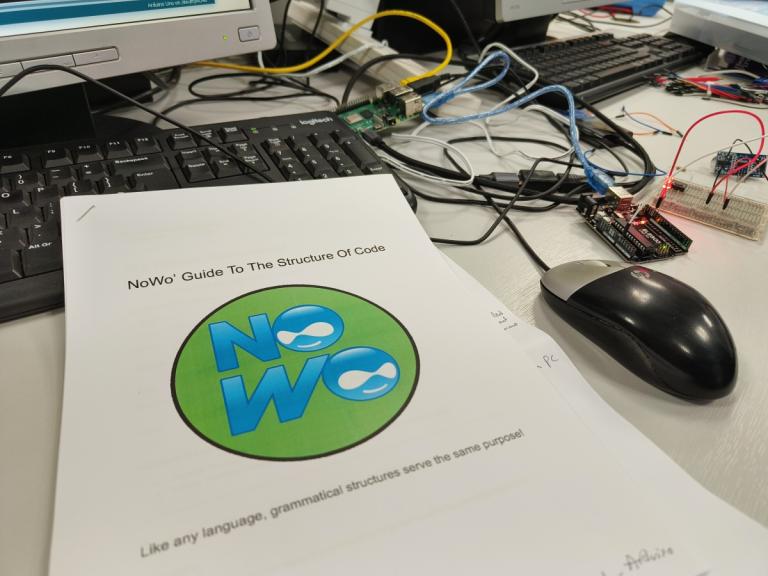
I designed a digital inclusion programme with no curriculum, no classroom, and no lesson plans. Just a kettle, some toast, and boxes full of Raspberry Pis. People who wouldn't answer the phone ended up running maker workshops in Manchester.

Here's what happened — and why it's time to bring it back.

Your software bill is a choice, not a fact of life. We've migrated hundreds of users off costly proprietary licences, repurposed laptops the council had written off, and built community computing infrastructure for next to nothing — all on open source. Here's what's possible when you stop paying the rent.

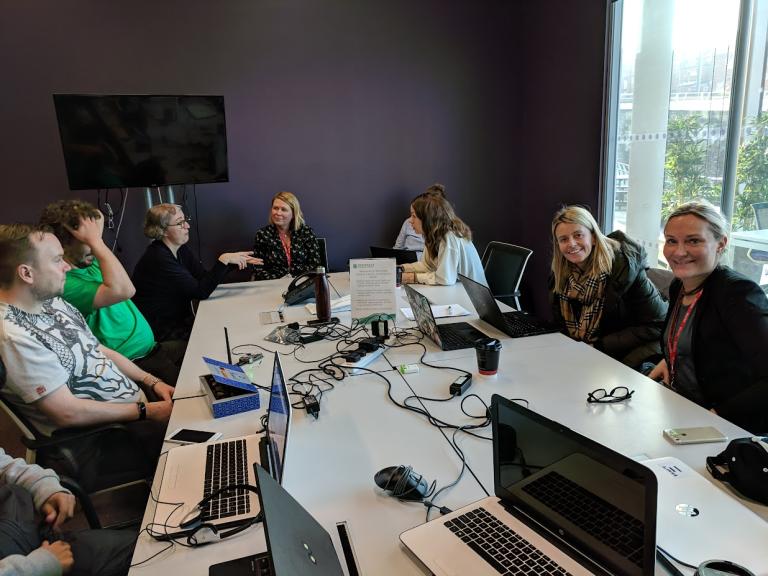
There's a particular kind of person who walks into a Heritage Hackers dropin session for the first time. They've usually been talked into it by someone. They're not sure it's really for them. They sit down quietly, watch what everyone else is doing, and say something like "I'm not very technical."

That was Paul Owen, not so very long ago.

Your data isn't really yours — not while it lives on someone else's servers, governed by terms nobody reads and monetised in ways nobody admits. But the open source movement has spent decades building the alternatives: from encrypted email and self-hosted file storage, to open food data, open hardware, and community mesh networks built by and for the people who use them. This is what digital sovereignty looks like — and once you start pulling that thread, there's no going back.