

Content is King — And Your Website Needs to Earn Its Crown
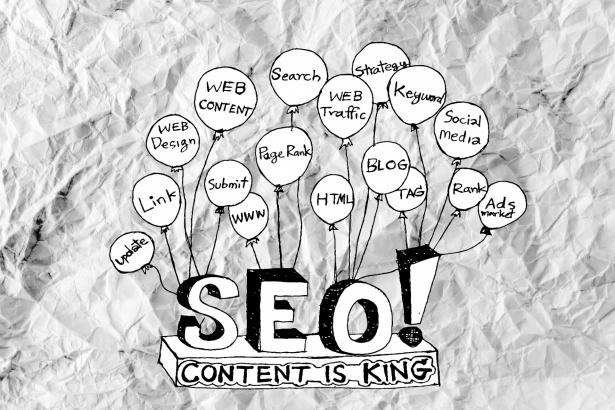
There's a phrase that gets thrown around a lot in digital circles: content is king. It's one of those things that sounds obvious until you actually look at most websites — and then you realise how rarely anyone takes it seriously.
I've built and reviewed a lot of websites over the years. Small charities, local businesses, community groups, professional services. And the pattern is almost always the same: the design looks fine, the technology works, but the content — the actual words, structure, and information people came to find — is an afterthought. Walls of jargon. Navigation that makes sense to the person who wrote it but nobody else. Pages that haven't been touched since 2019. Blog sections with three posts and tumbleweeds.
That's not a website. That's a brochure that forgot it was supposed to be useful.
What Content Design Actually Means
Sarah Richards, who led content at the Government Digital Service and literally wrote the book on the subject — Content Design, published by Content Design London — makes a compelling case that content isn't just writing. It's design. It's a deliberate decision about what information people need, in what format, at what moment in their journey.
Her work at GDS transformed how the UK government communicates online, moving away from institutional language and bureaucratic structure towards content that actually serves the person reading it. The principle is disarmingly simple: start with user need, not with what the organisation wants to say.
That shift in thinking — from "what do we want to tell people?" to "what do people need to know, and how do they need to find it?" — is the difference between a website that works and one that doesn't.
Information Architecture: The Invisible Foundation
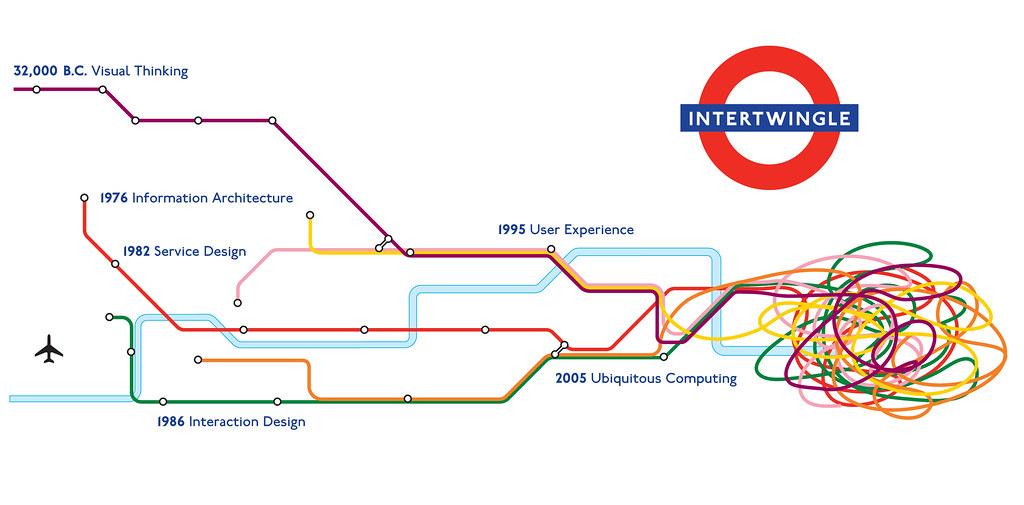
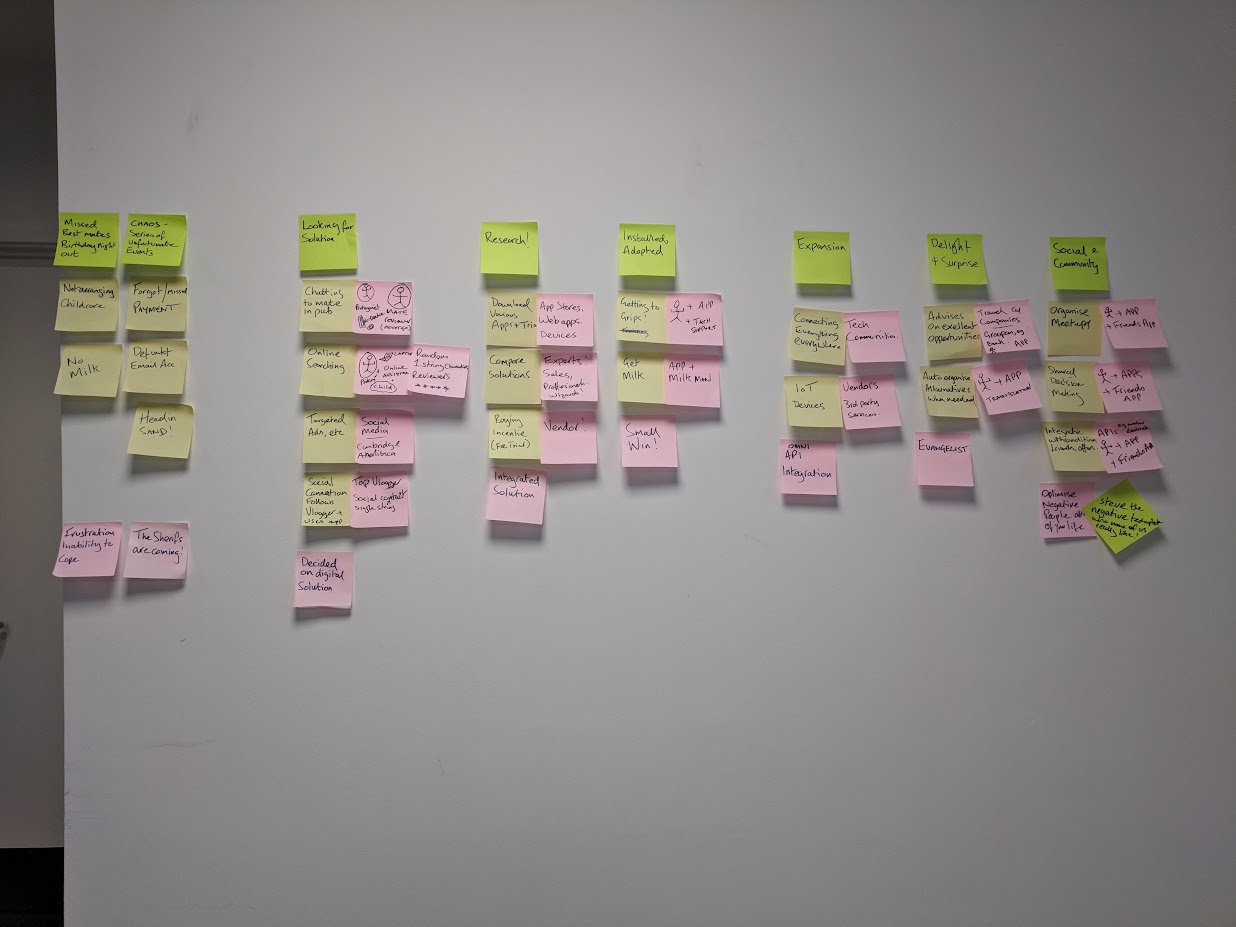
Good content doesn't exist in isolation. It lives within a structure — and that structure is your Information Architecture (IA). IA is the art of organising and labelling content so people can navigate it intuitively. It's the reason some websites feel effortless to use and others leave you clicking around in frustration wondering why you can't find the thing that must surely be somewhere.
Bad IA is one of the most common and most invisible problems on the web. Nobody complains about IA by name — they just leave. They say the site is confusing, or they can't find what they're looking for, or they give up and phone instead. The content might be excellent, but if it's buried under three layers of poorly labelled navigation, it might as well not exist.
Good IA means:
- Navigation that reflects how users think, not how your organisation is structured
- Clear, descriptive page titles and headings
- A logical content hierarchy that guides people from broad to specific
- Consistent labelling throughout — if you call it "Get in touch" on the homepage, don't call it "Contact Us" in the footer
Regular, Relevant Content: The Long Game
Here's the uncomfortable truth about websites: they're not a one-and-done project. A website without regular, relevant content is a static object — and the web doesn't reward static objects.
There are a few reasons this matters:
For your audience. People come back to websites that have something new to say. A blog, a news section, case studies, resources — anything that signals we're active, we're thinking, we're worth your time. For community organisations especially, regular content is how you stay visible and relevant between events.
For search engines. Google's algorithms favour sites that demonstrate expertise, authority, and trustworthiness — what they call E-E-A-T. Fresh, well-structured content is one of the clearest signals you can send. A regularly updated blog with genuinely useful posts will consistently outperform a polished but static site.
For credibility. There's a quiet due diligence that happens when anyone visits your site for the first time. They're asking: are these people legit? Do they know what they're talking about? Are they still operating? Regular content answers those questions before anyone has to ask them.

Why Drupal Gets This Right
This is where I'd be doing you a disservice if I didn't mention what I actually build with.
Drupal isn't just a CMS — it's a content management framework, and that distinction matters. Where other platforms treat content as something you bolt on, Drupal is built around the idea that content is the whole point. It gives you:
Structured content types. You're not just creating pages — you're defining what a blog post is, what a case study is, what a team member is. Each content type has the fields it needs, no more, no less. That structure enforces consistency and makes your content genuinely reusable across your site.
Taxonomy. Drupal's tagging and categorisation system is proper IA baked into the platform. Content can be organised, filtered, and surfaced in multiple ways without duplication. That's how you build navigation that actually serves users.
Workflows and editorial tools. For organisations with more than one person touching the site, Drupal's content moderation workflows mean there's a proper process — draft, review, publish — rather than someone accidentally pushing half-written content live at 11pm.
Accessibility and standards. Drupal core takes web standards seriously. That matters for UX in a way that lots of page-builder platforms quietly skip over.
And perhaps most importantly for the content-is-king philosophy: Drupal gets out of the way. It doesn't impose a structure on your content — it lets you build the structure your content actually needs.
The Practical Takeaway
Whether you're running a community hub, a small business, or a digital service of any kind, the same principles apply:- Start with user need. What are people actually coming to your site to do or find? Design your content — and your structure — around that.
- Write for humans, not for yourselves. Plain language, clear headings, useful information. Leave the jargon at the door.
- Keep it alive. A website is a conversation, not a monument. Regular, relevant content keeps that conversation going.
- Get the structure right. Good IA is invisible when it works. Bad IA is the reason people phone you instead of using your website.
If any of this sounds like your organisation could use a hand — whether that's a content audit, a structural rethink, or a proper Drupal build that sets you up to manage your own content confidently — get in touch. That's what I'm here for.
Further reading: Sarah Richards, Content Design, Content Design London.