
From the Factory Floor to the Maker Bench: Paul Owen's Journey Back Into Tech
Paul is in his late fifties. He spent the best part of his working life at Ferranti in Manchester — one of the great pioneering names in British electronics, the company that gave the world some of the earliest commercial computers and helped put Manchester at the centre of the global tech revolution. Paul soldered, tested, built. He understood circuits the way a musician understands scales — not from a textbook, but from years of doing.
Then the redundancies came. The takeovers. The long slow unravelling of British manufacturing that swallowed up so many skilled people and left them standing on the outside of an industry that had moved on without them. By the time Paul found his way to our MidiDigi sessions at the Lighthouse Project in Middleton, he'd been out of work for several years. His confidence had taken the kind of battering that doesn't show up on a CV but is written all over a person.
A Different Kind of Classroom
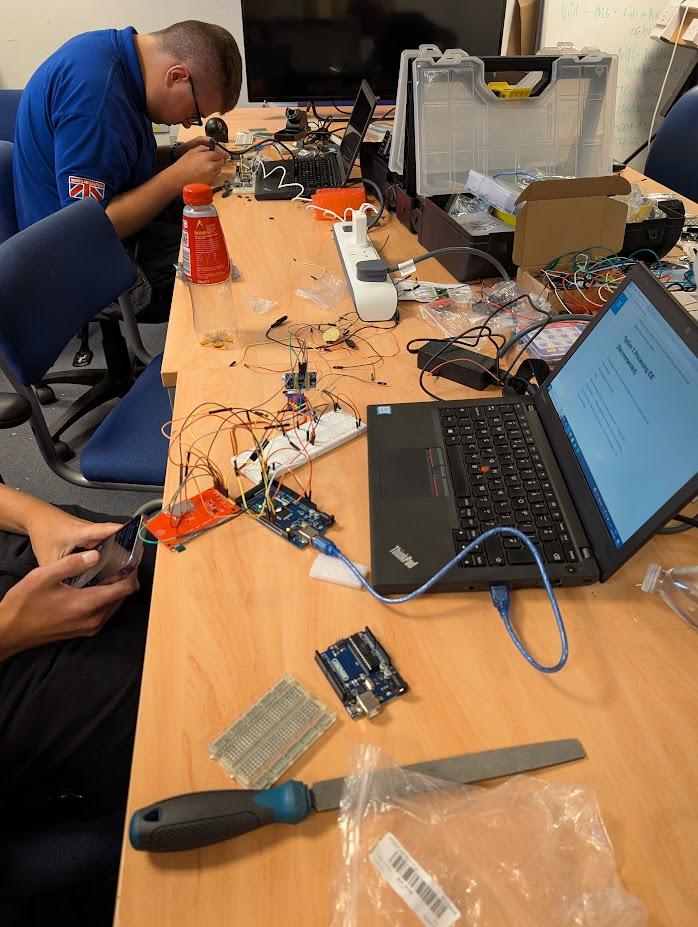
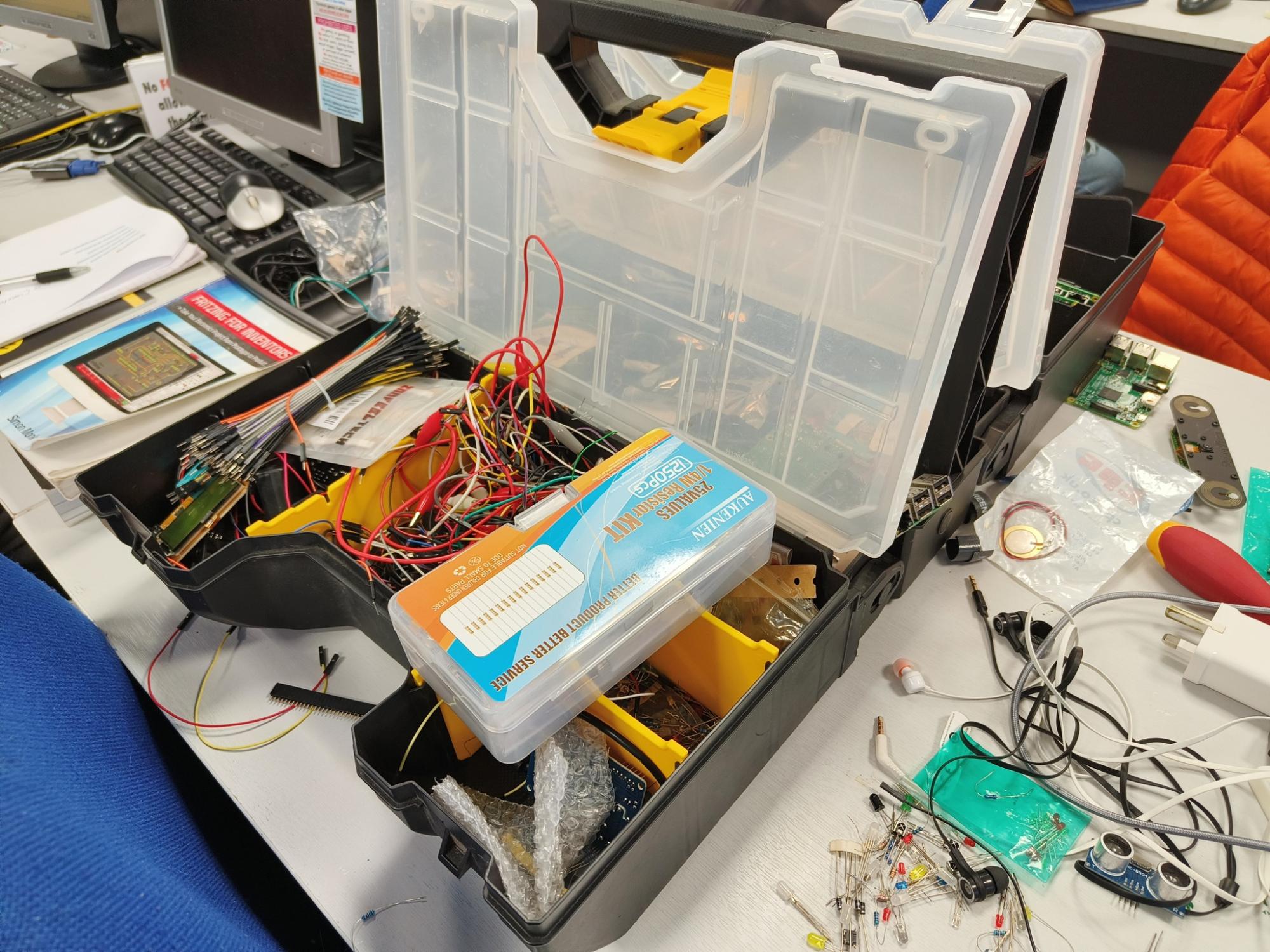
MidiDigi isn't a course. There's no syllabus, no assessment, no right answer at the end. What there is, is a table full of Raspberry Pis, Arduinos, sensors, breadboards, and a room full of people at wildly different stages of their own journeys — all doing something with their hands and their heads, and nobody judging anyone else's pace.
That environment matters more than we can overstate. For someone like Paul, who'd spent years feeling like the world of technology had left him behind, walking into a room where nobody expected him to already know everything — where curiosity was the only entry requirement — was quietly transformative.
He didn't take to it all at once. The first few sessions he mostly watched. Asked a few careful questions. Then one afternoon something clicked, and that was that.
Flow State
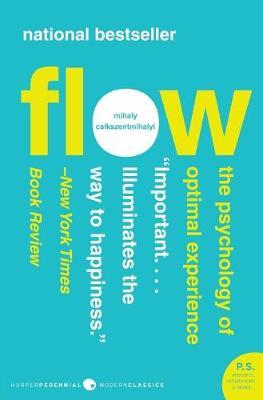
If you've ever watched someone hit a flow state, you know it when you see it. The distractions fall away. Time does something strange. The person in front of you isn't thinking about whether they can do it anymore — they're just doing it.
That's what happened to Paul.
Within a few weeks he was building projects from scratch — writing and modifying C++ code, debugging with the calm, methodical instinct of someone who'd spent decades solving problems with his hands. His background at Ferranti — all those years of practical electronics that he'd assumed were obsolete — turned out to be anything but. The fundamentals don't change. Voltage, current, logic. The tools are different, but the thinking is the same.
What Heritage Hackers gave Paul wasn't a skill set from scratch. It gave him a bridge back to something he'd always known how to do, expressed through the language of open source hardware and maker culture.
The Work Speaks for Itself
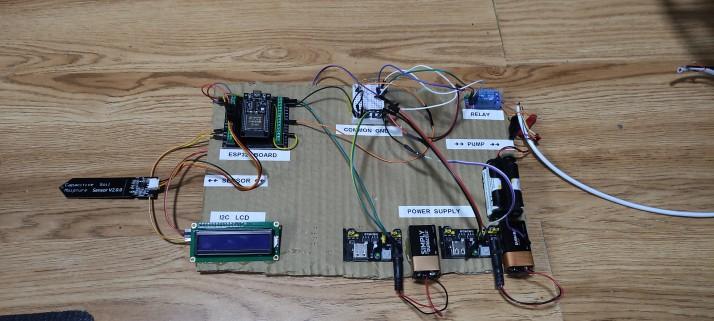
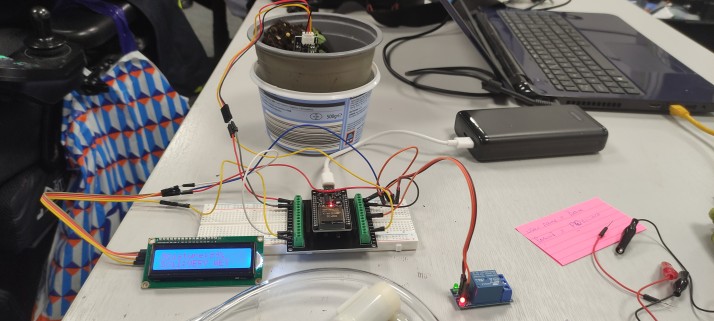
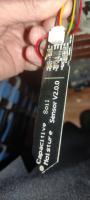
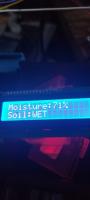
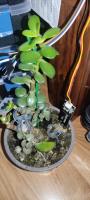
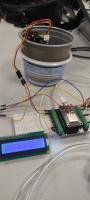
Over 51 000 views on Arduino ProjectsLook at Paul's GitHub profile and you see the story of a maker in full flow. Nine repositories and counting, including a plant monitoring and automatic watering system, animated blinking eyes for a robotics project, a touchscreen photo display, a Tic-Tac-Toe game built for a 320×240 touch display, an ESP32 device that combines real-time temperature and pressure readings with WiFi time sync and lottery number generation — and a dedicated parts spreadsheet for keeping his electronics inventory in order, because when you're building at this rate, organisation matters.
That's not a list of isolated experiments. That's a body of work.
His first published project on the Arduino Project Hub is a fully functional home alarm system — an Arduino Uno paired with a PIR sensor, a membrane keypad, a 16×2 LCD display, and a buzzer. Entry and exit delays, PIN code arming and disarming, the lot. It's clean, well-structured code, released under an open source licence, and described — simply and perfectly — as "lighthouse projects from home."
As of today, that single project has been viewed over 51,000 times and collected 28 respects from the Arduino community worldwide. For context: that's not a beginner number. That's the kind of reach that comes from building something genuinely useful and sharing it openly.
Beyond the Sessions
Here's where it gets even better.
Paul hasn't just become an enthusiastic participant in the MidiDigi sessions — he's become a lead learner. He's the person in the room who helps others along, who asks the questions that move a conversation forward, who embodies exactly the peer learning culture that Heritage Hackers was designed to nurture.
And he's taken it further still. Paul has formed his own maker group — a small collective who meet independently at the Lighthouse Project to work on the next iterations of their projects between our official sessions. That's self-organising, grassroots, community-led making. It's everything we hoped would happen when we started running these sessions, and it's happened entirely under its own steam.
He's sharing his work on GitHub, on YouTube, on the Arduino Project Hub, and on our own community space at mididigi.com — an open source platform built precisely for this kind of peer learning and knowledge-sharing. The combination of global reach and local community is exactly what a maker ecosystem should look like.
The Lighthouse Project: A Genuine Community Asset
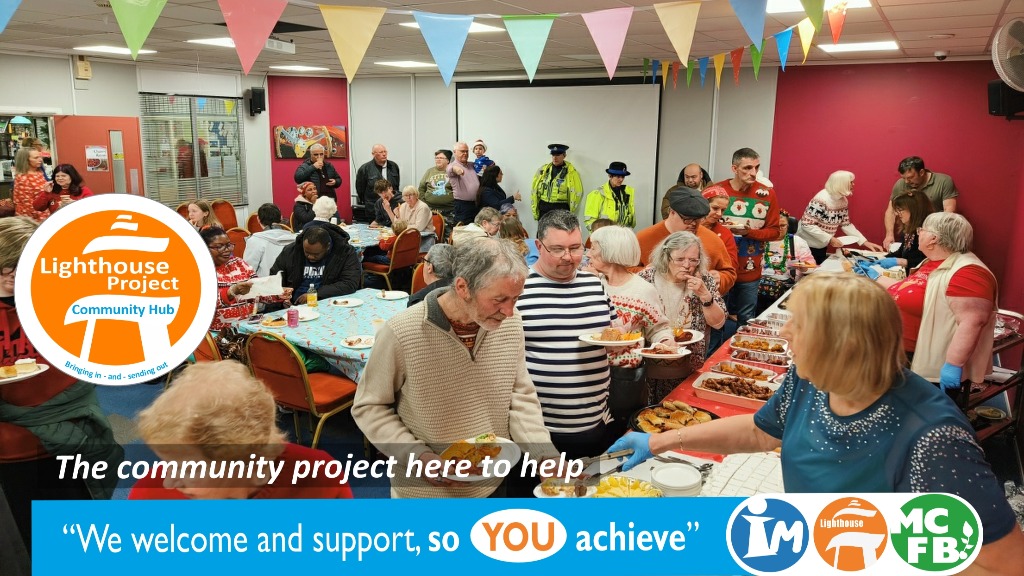
None of this happens without the right space. The Lighthouse Project in Middleton is exactly the kind of community resource that makes this kind of transformation possible — welcoming, accessible, and rooted in the communities it serves. Rochdale needs more places like it. Greater Manchester needs more places like it.
The people who walk through the door of a MidiDigi session aren't typically coming from a background of coding bootcamps and tech meetups. They're coming from years of distance from formal learning, from industries that collapsed around them, from a sense that the digital world is something that happens to other people. A space like the Lighthouse Project doesn't just provide a room — it provides permission. Permission to try, to fail, to try again, to ask for help, to share what you've made.