
No Curriculum, No Classroom, No Problem: What Rochdale's Citizens' Curriculum Taught Me About Real Digital Inclusion
If you've read my previous post, Beyond the Basics: Why Digital Inclusion Has an Ambition Problem, you'll know I have strong feelings about the way we teach digital skills in this country. Too much of it is transactional. Learn to use a mouse. Fill in your Universal Credit journal. Here's a worksheet. Well done, you're "digitally included" now. Tick the box, move on.
But what if the people you're trying to reach won't even walk through the door? What if they won't talk to anyone except their case worker? What if the very idea of a classroom makes them feel sick?
A few years ago, I got to find out. And what I learned changed everything about the way I think about digital inclusion.
The Integrated Place Team
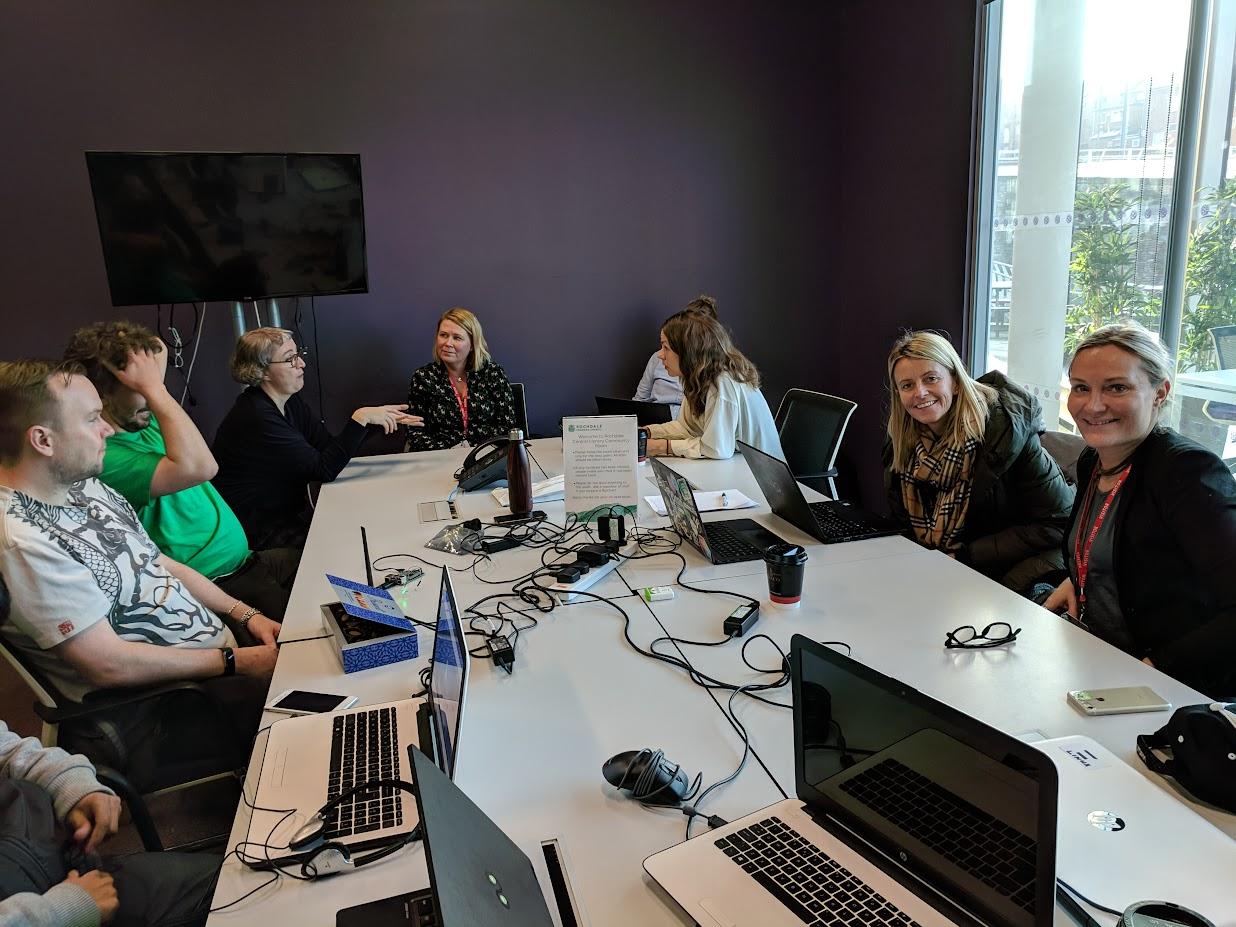
I was working with Rochdale Council as part of their Integrated Place Team — a multi-agency approach that brought together police, social services, health care workers and housing providers around specific individuals and families who were struggling. Not struggling with "digital skills." Struggling with life.
The idea was beautifully simple. Instead of each agency working in its own silo — the GP doing their bit, the housing officer doing theirs, the police responding to incidents — everyone came together around the person. What does this individual actually need to lead a happier, healthier life? That was the question. Not "what course can we put them on?" Not "what box can we tick?" Just — what would genuinely help?
I was pivotal in designing and delivering the digital inclusion strand of this work, in partnership with the Learning and Work Institute, as part of their national Citizens' Curriculum programme. It aligned perfectly with my educational beliefs.
No Curriculum. No Classroom. No Problem.
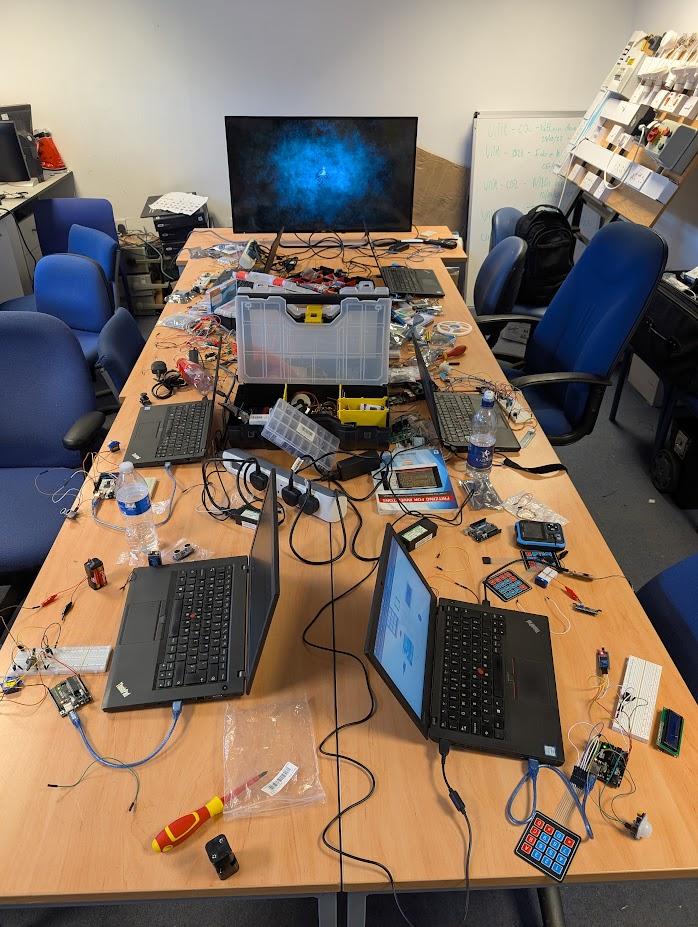
Let me tell you what we didn't have. We didn't have a curriculum. We didn't have lesson plans. We didn't have learning objectives pinned to the wall or assessments at the end. We didn't have a classroom. We had a kettle, some toast, and boxes full of maker paraphernalia — Raspberry Pis, electronics kits, cameras, microphones, all sorts.
People were identified by health workers, social workers and housing officers as individuals who might benefit from coming along. And I mean "might benefit from coming for a brew and a chat" — not "might benefit from an eight-week course in Basic IT." The engagement was completely informal. Drop in. Have a cuppa. See what's going on.
The Brazilian educator Paulo Freire talked about the "banking model" of education — where the teacher deposits knowledge into passive, empty-headed students. It's a model that treats learners as objects, not people. And it's exactly what mainstream digital inclusion does. We decide what people need to know, we package it up into bite-sized modules, and we deliver it at them. Then we wonder why people don't engage.
What we built in Rochdale was the opposite. It was person-led. It was client-centred. The learner controlled the pace, the environment, and the direction. My job wasn't to teach — it was to tease out an interest, any interest, and then lead them down a rabbit hole of embellishments.
Down the Rabbit Hole
And that's where the magic happened. I had people brought to me by health workers who had refused to engage with anyone. People who were isolated, anxious, and had long since decided that learning wasn't for them. People who were scared of classrooms and didn't like teachers.
So we didn't do classrooms and I wasn't a teacher. I was the bloke with the brew and the box of interesting stuff.
The journey always started small. A phone conversation. Then maybe turning up and hovering at the edge of someone else's project, watching a time-lapse video being made with a Raspberry Pi. Then a question. Then a go. Then their own idea. Then running with it.
We had people creating music with Sonic Pi. People building electronics projects. People who had been completely isolated from society, telling me that the programme gave them a sense of worth — that it was "autonomous, creative, refreshing... learning by osmosis." One person described it as "satisfying, healing." These aren't words you hear on a feedback form for a Level 1 IT course.
And the ultimate proof? Some of these same people — who had started by refusing to speak to anyone — ended up running their own maker sessions at MadLab in Fred Aldous in Manchester. Let that sink in. From not answering the phone to leading a public workshop in the city centre. That's not digital inclusion. That's human transformation.
Measuring What Matters
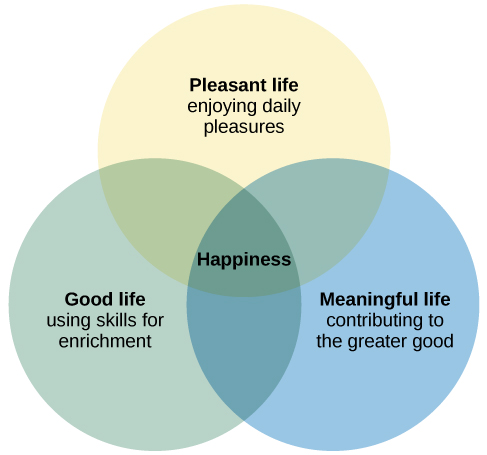
Here's the thing that really set this apart from conventional digital inclusion programmes: we didn't measure success by qualifications gained, courses completed, or job outcomes. Our basic desired metric was improved mood and inclusion, mapped against the Five Ways to Wellbeing — Connect, Be Active, Take Notice, Keep Learning, Give.
Were people more connected to their community? Were they doing things? Were they curious? Were they learning — on their own terms? Were they contributing? That was it. That was the measure.
And it worked. The Integrated Place Team ran a cost-benefit analysis across all the agencies involved — hospitals, police, fire service, ambulances, social services, housing associations — and the results were staggering. Families who had been in constant contact with multiple services saw massive reductions. The Learning and Work Institute highlighted Rochdale specifically as a pilot that demonstrated wider positive impacts, including families who were no longer in contact with the police and had improved mental health.
I had the privilege of presenting this work at Learning and Work Institute events and at the RSA. Because what we'd demonstrated wasn't just that digital making is fun — it's that person-centred, non-prescriptive engagement through making and technology can be a genuine intervention in people's lives. It can reduce the burden on public services. It can rebuild someone's sense of self. And you don't need a curriculum to do it.
The approach even attracted international attention. A group of educators from Finland — a country routinely held up as the gold standard in education — visited us in Rochdale to see the Citizens' Curriculum in action. They left saying they intended to adopt the model. Think about that for a moment. Finland looked at what we were doing in Rochdale and thought it was worth importing. Meanwhile, back in England, the Integrated Place Team was quietly defunded.
Why This Still Matters
The Integrated Place Team at Rochdale Council no longer exists. That's a story that will be painfully familiar to anyone who works in public services — great work gets done, outcomes are proven, and then the funding dries up or the restructure happens and it all disappears. The institutional memory goes with it.
But the lessons haven't gone anywhere. And they're more relevant now than ever.
Right now, Greater Manchester is building Atom Valley — a massive advanced manufacturing and innovation zone that promises thousands of new jobs and opportunities. The digital skills conversation is louder than it's been in years. But if we approach it the same way we always have — top-down curricula, tick-box courses, banking-model education — we'll leave the same people behind that we always leave behind.
The people I worked with in Rochdale didn't need a course. They needed someone to meet them where they were, put the kettle on, and show them that technology could be something joyful, creative, and theirs. They needed to feel safe enough to be curious. And when they got there, they flew.
That's the model. That's what works. A box of maker gear, a brew, and the radical belief that every person has an interest worth pursuing — if you're patient enough to find it.
No curriculum. No classroom. No problem.